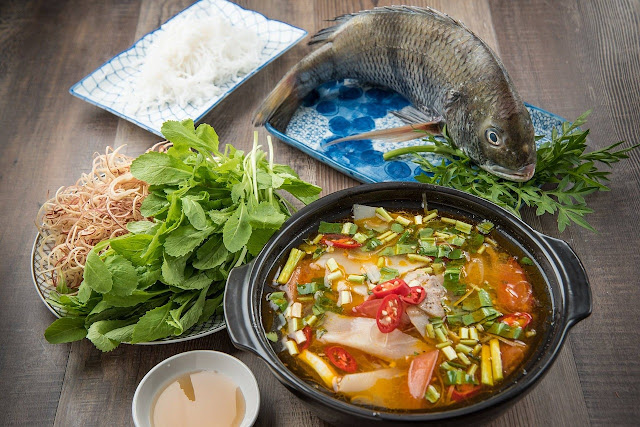
Setting the table to serve food
Setting the table
Creating an inviting atmosphere for a meal involves more than just the food itself; it encompasses the art of setting the table. Whether preparing for a family gathering or a festive occasion, the presentation plays a crucial role in enhancing the dining experience.
Avoid serving food on chipped plates or beneath soiled tablecloths, as these detract from the overall appeal. Festive occasions demand pristine white tablecloths and napkins, though colored alternatives can be suitable for family settings. However, plastic table-tops are best avoided, as they lack sophistication.
Arranging chairs around the table requires precision, ensuring each guest has ample space, even accommodating those who maintain proper etiquette by keeping their elbows close. Each guest should be allotted at least 50 centimeters of space for comfort.
Distinctions between family meals and those with guests extend to the quantity of plates, cutlery, and glasses. Festive affairs necessitate a greater abundance of these items. For formal meals, every plate should be accompanied by a service plate, serving solely as a base. When dining alone or with family, this additional plate is optional.

How to arrange a festive table
Placing the first course plate atop the service plate, accompanied by a neatly folded napkin, sets the stage for a refined dining experience.
Bread or rolls should be presented in multiple baskets evenly spaced around the table to facilitate easy access for guests, eliminating the need for stretching or disturbing neighbors.
Forks are positioned to the left of the plate, arranged in order of use with their tines facing upward. Knives are placed to the right, with the blade directed toward the plate, also in sequence of use. However, it's advisable not to clutter the table with more than three knives and forks each. Specialized utensils like cake forks or fruit knives belong on a side table or buffet for accessibility.
The number of plates may vary depending on the menu. At formal gatherings, dishes are typically changed after each course. Dessert utensils are placed in front of the plate, with the napkin positioned directly on the table. Glasses are arranged slightly to the right of the plates.
A festive meal
During festive occasions, three plates are commonly used: for starters, soup, and spreads. Bowls for clear soup are brought out with the soup or placed on a tray. Cutlery is usually positioned to the right of the plates, with knives placed first, followed by forks.
For dessert, a separate plate is provided, accompanied by appropriate utensils and the napkin placed directly on the table. Glasses find their place slightly to the right, in front of the plates.
How to decorate the table
Table decoration should complement the occasion, the guests' status, and the table size. Flowers and lighting add charm to any setting, but it's essential to ensure that floral arrangements are low enough to allow for easy conversation.
Avoid overloading the table with unnecessary items. Salt and pepper shakers are indispensable, with one set typically sufficient for every four guests.
In summary, setting the table isn't just about functionality; it's an art form that enhances the dining experience and sets the tone for memorable gatherings.
Further reading on how to set a table for different occasions on https://www.realsimple.com/holidays-entertaining/entertaining/how-to-set-a-table